
Author name: hero1991

Reverse Osmosis

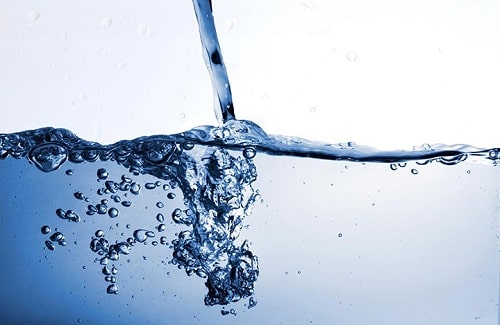
The scientific concept of reverse osmosis is based on the principles of mass transfer phenomenon. The difference in concentration is also the driving force of mass transfer between two streams with different concentrations. Understanding the phenomenon of reverse osmosis requires understanding the phenomenon of mass transfer based on osmotic pressure between two streams with different

Reverse Osmosis Read More »

Steronize

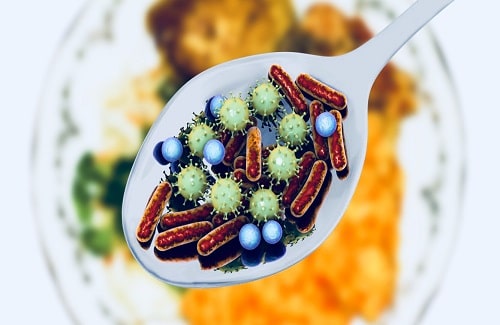
Steronize Sterilization is the process by which microorganisms and their transmitters, including fungi, bacteria, bacteria, and viruses, are removed from the surface of objects. The sterilization process, depending on the type of equipment required for sterilization, includes heat, dry (four), heat, wet (autoclave), chemical, radioactive (radio gamic) and plasma autoclave (by oxygen peroxide and autoclave

Steronize Read More »

Antioxidants

One of the most important reactions of fat systems is oxidation. Occurrence of any oxidation in food is considered undesirable and leads to a decrease in the quality and shelf life of food products. Synthetic antioxidants indicate their toxicity, high production costs, and low efficiency against some natural antioxidants such as tocopherols. For this reason,

Antioxidants Read More »

Stainless steel

Stainless steel and each family of steel alloys usually contain 10 to 30% chromium. Chromium, in combination with its low carbon content, provides significant resistance to corrosion and heat. To increase the corrosion resistance in certain environments, increasing the oxidation resistance of elements such as nickel, titanium, aluminum, niobium, copper, nitrogen, sulfur, phosphorus or selenium

Stainless steel Read More »

Scroll to Top